Search: subworld:everything
|
|
|
|
|
Sort:
id
Format:
long
Filter:
(all | no meta | meta)
Mode:
(words | no words)
|
|
|
|
|
|
| |
|
| BP1261 |
| Exactly one connected white region for each possible way shapes can overlap vs. not so. |
|
| |
|
| |
| |
|
|
| |
|
| BP1262 |
| Shapes overlap in every possible way vs. not so. |
|
| |
|
| |
| |
|
|
| |
|
| BP1263 |
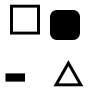
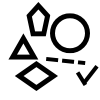
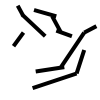
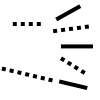
| Uncategorizable images vs. categorizable images. |
|
| |
|
| |
| |
|
|
| |
|
| BP1264 |
| Any shape's axis of reflection is shared by another shape vs. not so. |
|
| |
|
| |
| |
|
|
| |
|
| BP1266 |
| Angles either only increase or only decrease as one moves along the curve vs. not so. |
|
| |
|
| |
| |
|
|
| |
|
| BP1267 |
| Any two lines intersect, and no three lines share an intersection point vs. not so. |
|
| |
|
| |
| |
|
|
| |
|
| BP1268 |
| Palindromic when elements are grouped into (more than one) equal-sized blocks vs. no grouping of elements into (more than one) equal-sized blocks is palindromic. |
|
| |
|
|
|
|
COMMENTS
|
Any palindrome would be sorted left, except strings of length zero or one. |
|
|
CROSSREFS
|
Adjacent-numbered pages:
BP1263 BP1264 BP1265 BP1266 BP1267 * BP1269 BP1270 BP1271 BP1272 BP1273
|
|
|
KEYWORD
|
precise, allsorted, unwordable, notso, sequence, traditional, miniworlds
|
|
|
CONCEPT
|
element_wise_symmetry (info | search),
element_grouping (info | search),
sequence (info | search),
same_shape (info | search),
same (info | search)
|
|
|
WORLD
|
[smaller | same | bigger]
zoom in left | zoom in right
|
|
|
AUTHOR
|
Leo Crabbe
|
| |
|
|
| |
|
| BP1269 |
| Identical pairs of symbols are always on opposite sides of the cube (when assembled) vs. some identical symbols are next to each other on the cube. |
|
| |
|
| |
| |
|
|
| |
|
| BP1270 |
| Straight line can separate the two types of figures vs. not so. |
|
| |
|
|
|
|
COMMENTS
|
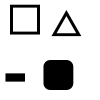
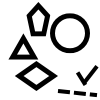
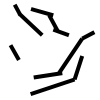
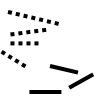
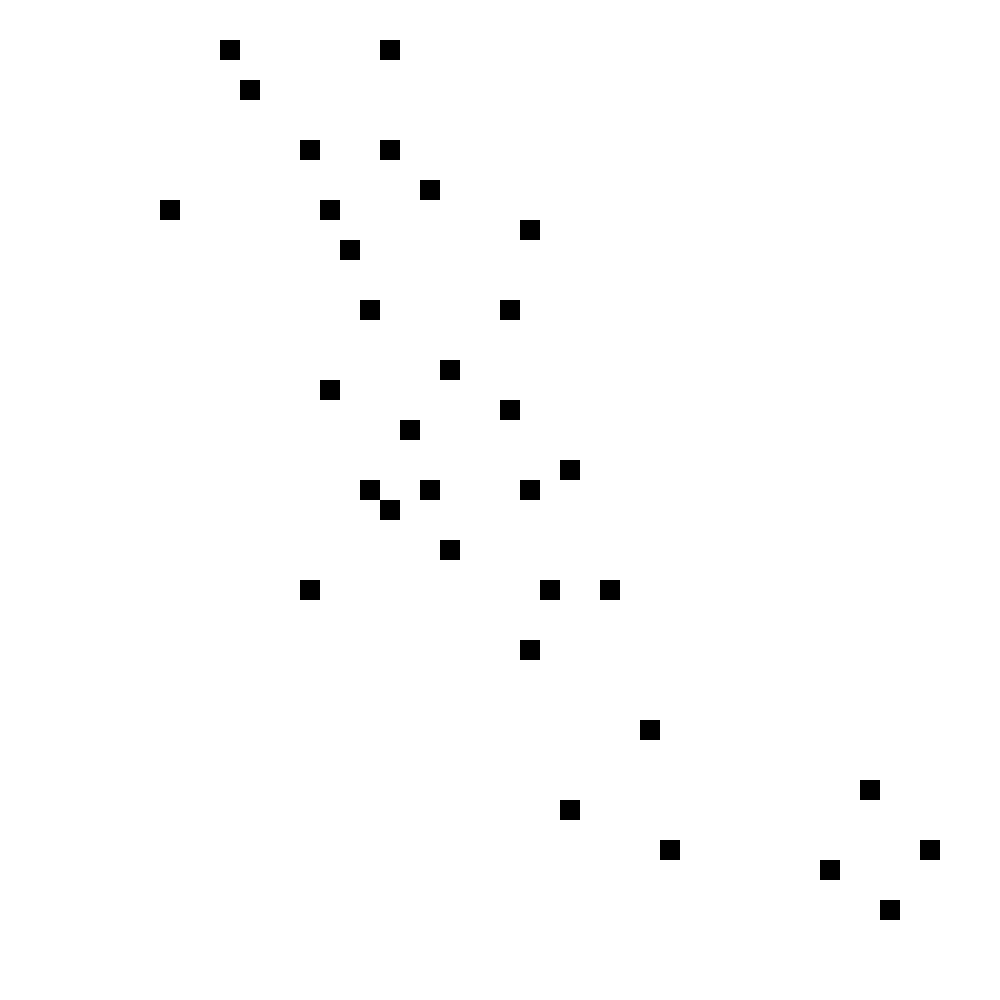
This Bongard Problem is a sort of meta-problem. The problems inside the boxes aren't exactly Bongard problems, but they do deal with categorization. The objects must be split into two obvious and distinct groups, but one is not given any examples to work with. |
|
|
CROSSREFS
|
The two sides of BP3 are the same as the two sides in the first box.
Adjacent-numbered pages:
BP1265 BP1266 BP1267 BP1268 BP1269 * BP1271 BP1272 BP1273 BP1274 BP1275
|
|
|
KEYWORD
|
notso
|
|
|
AUTHOR
|
Ben
|
| |
|
|
| |
|
| BP1271 |
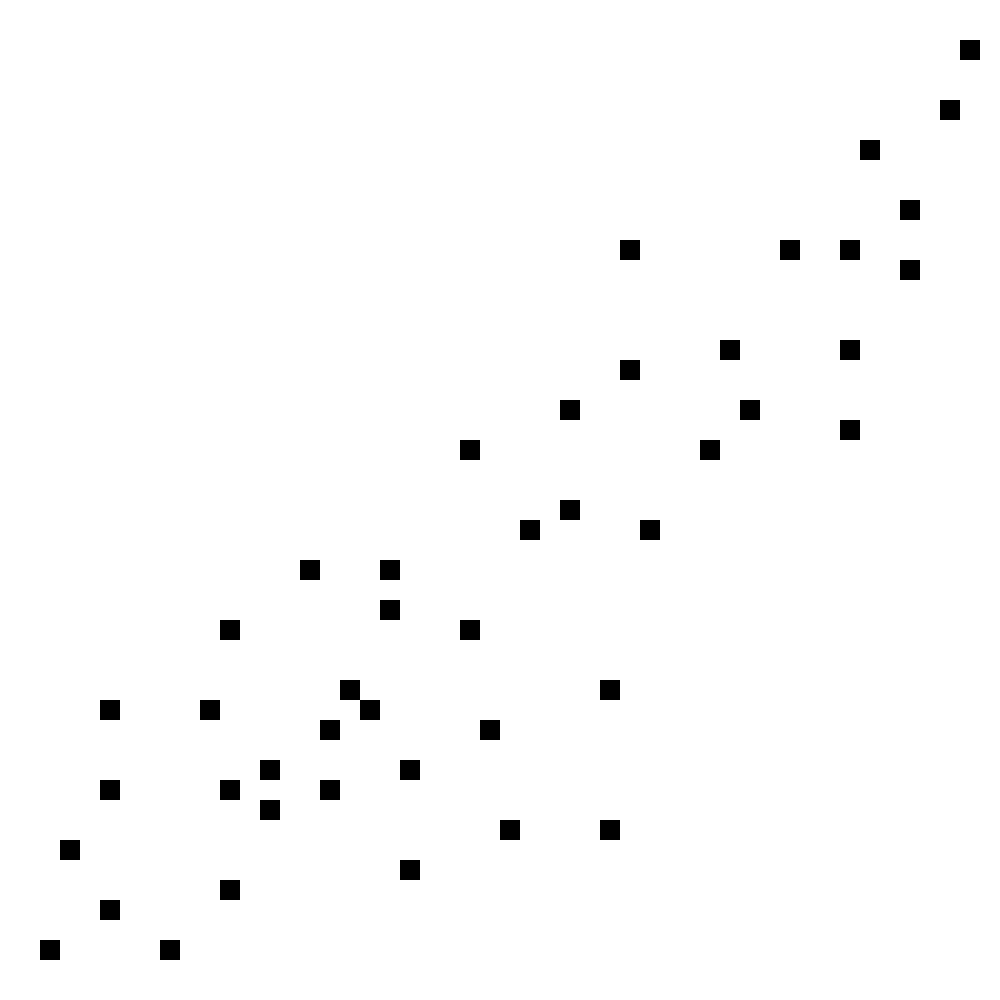
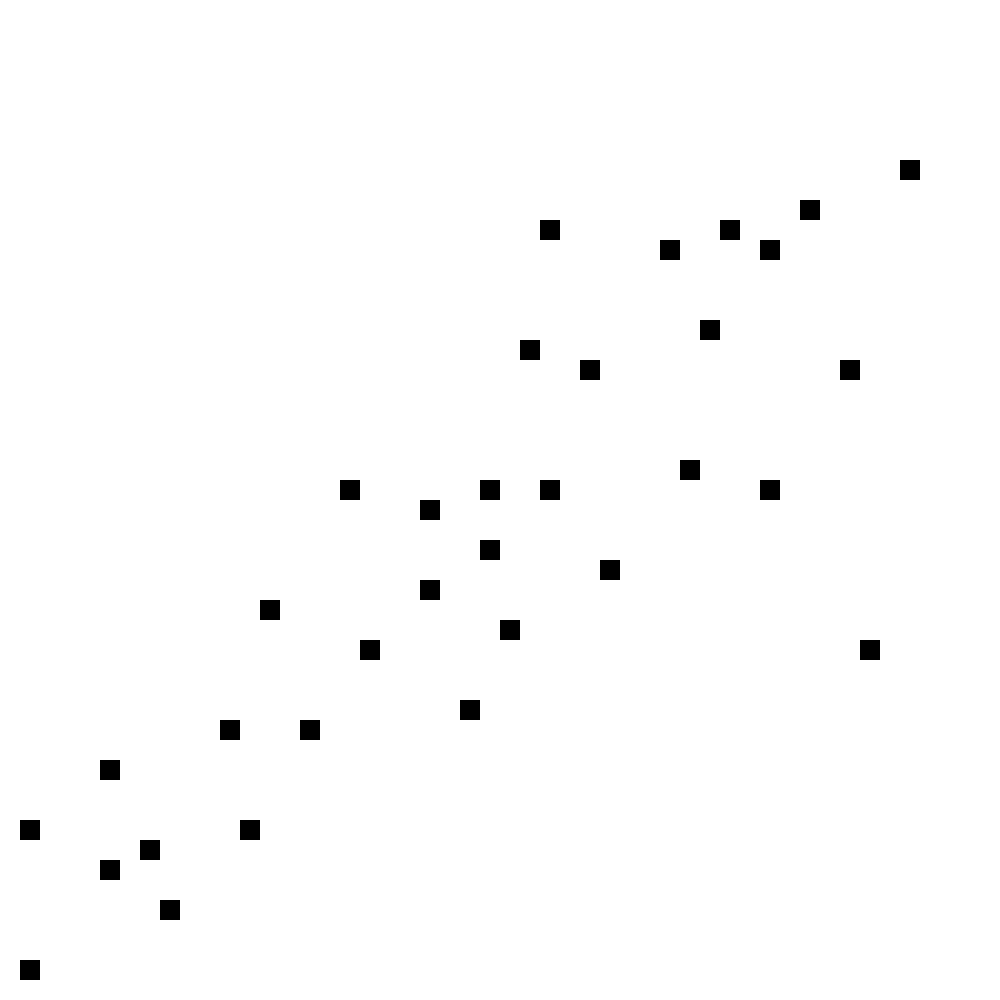
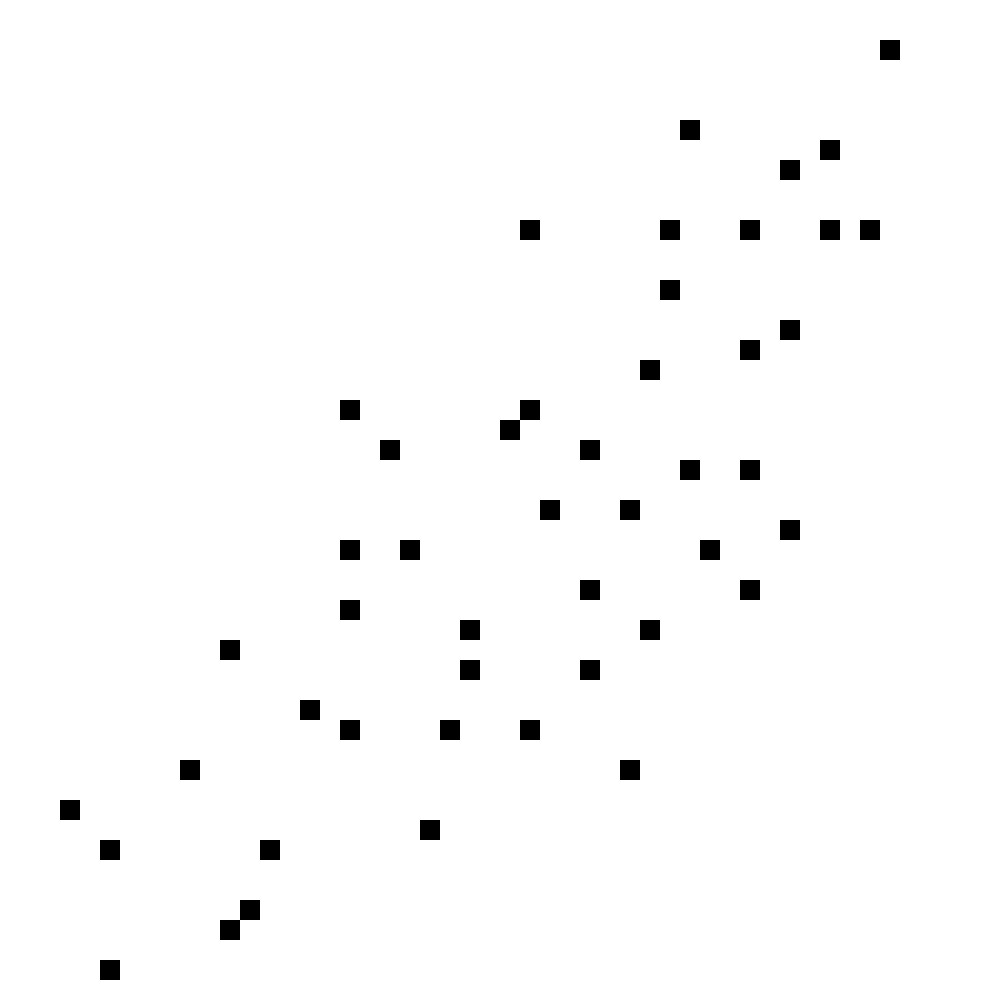
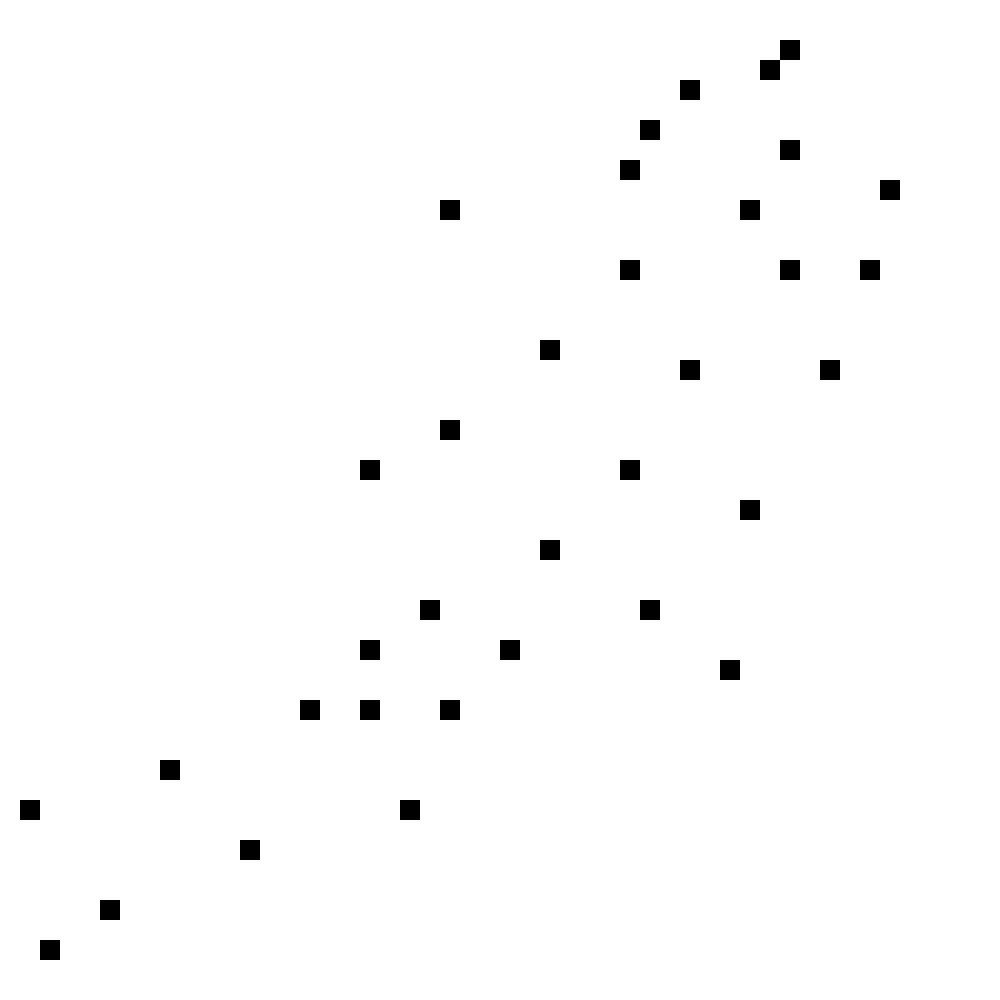
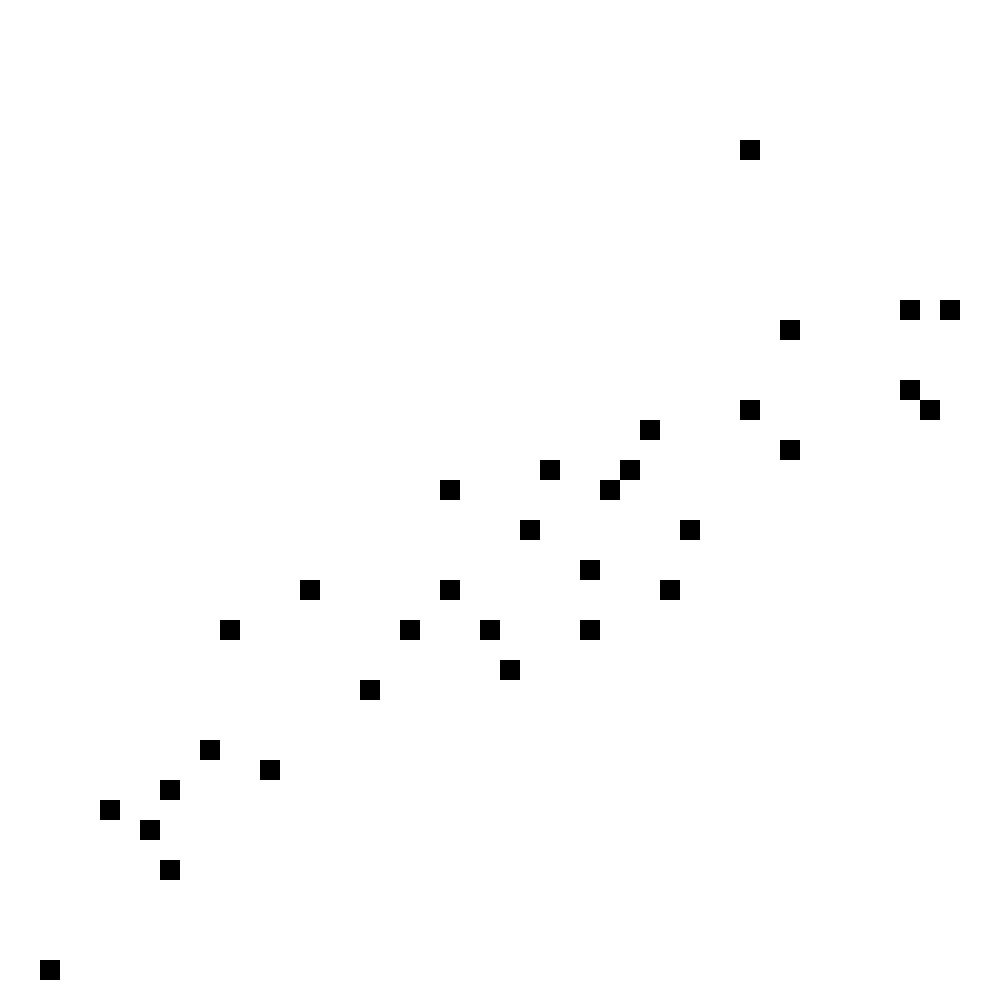
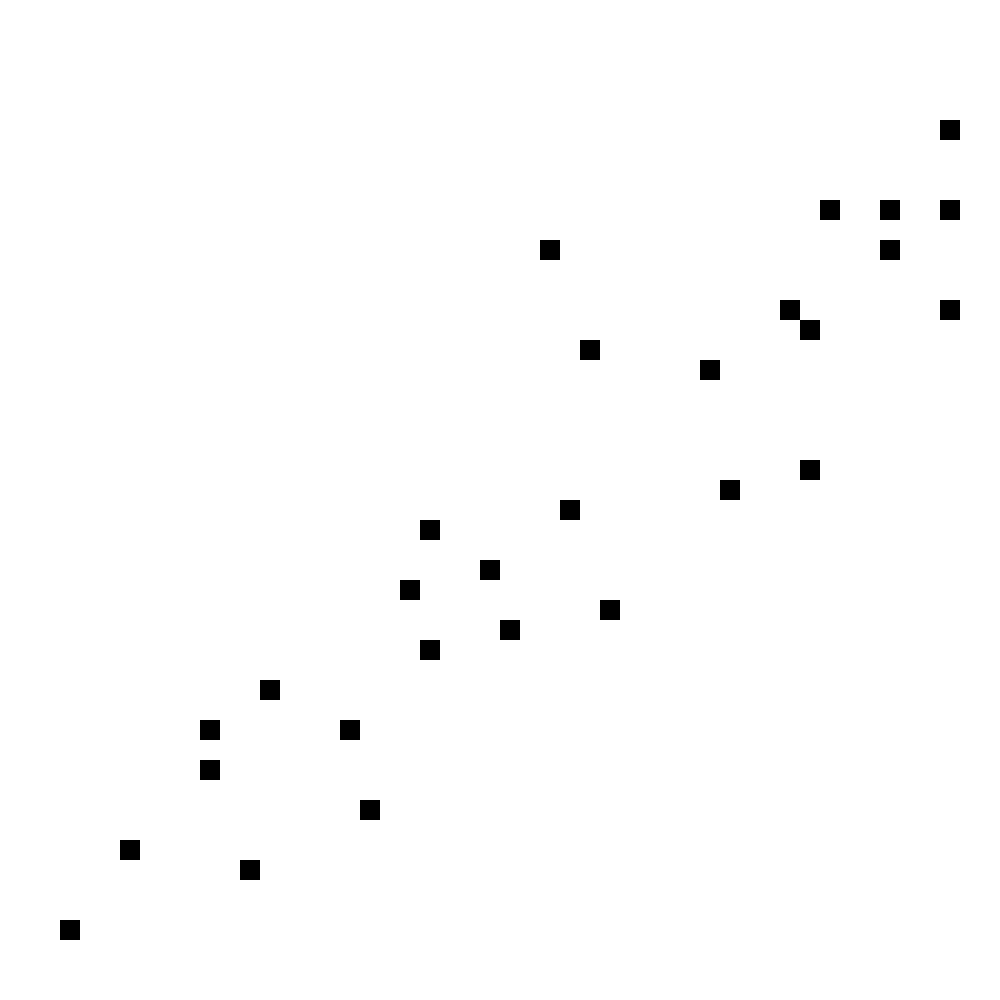
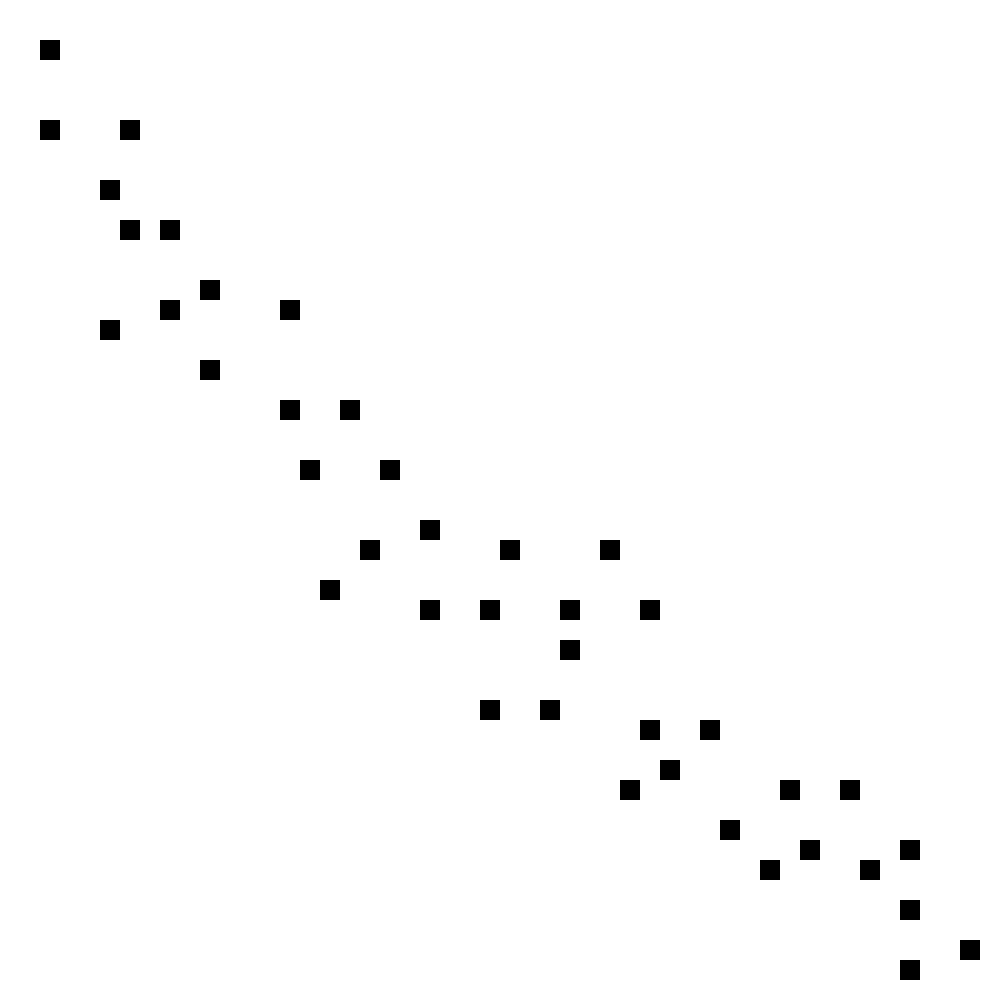
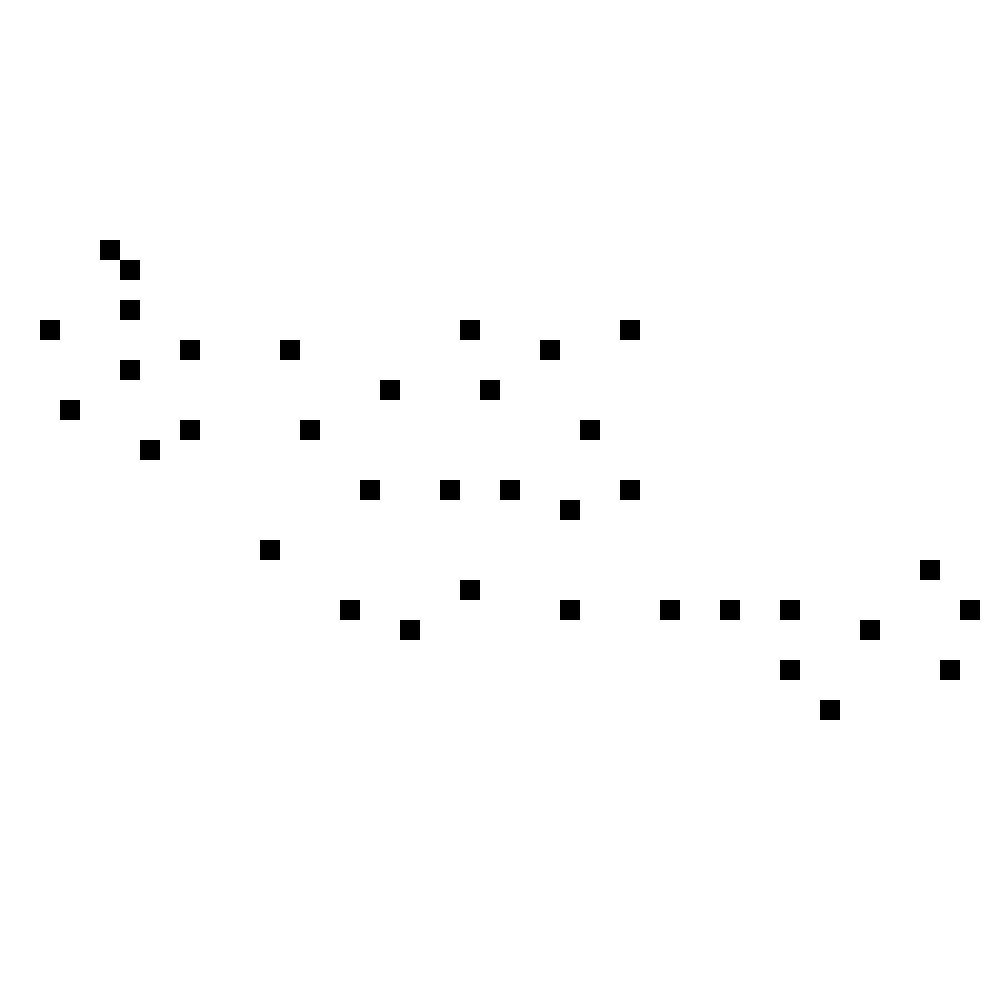
| Positive correlation vs. negative correlation. |
|
| ?
 | ?
 |
|
|
|
|
|
COMMENTS
|
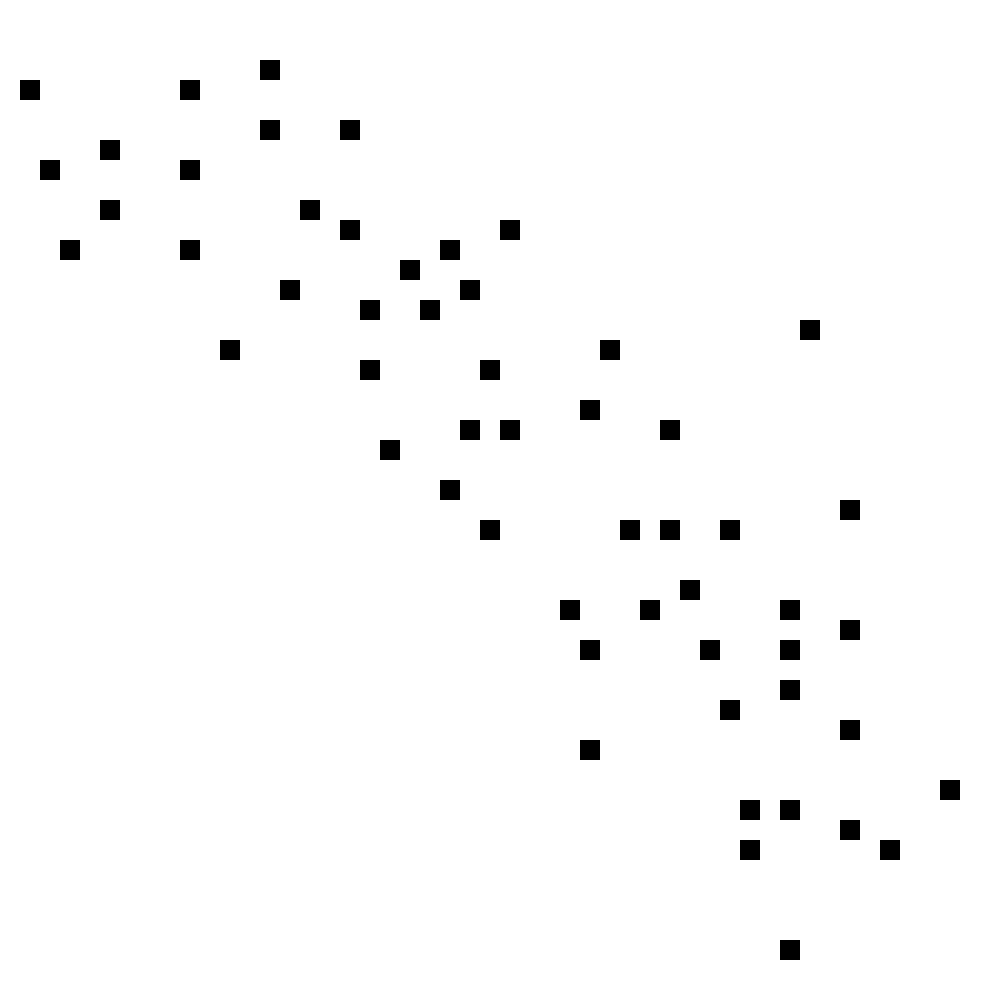
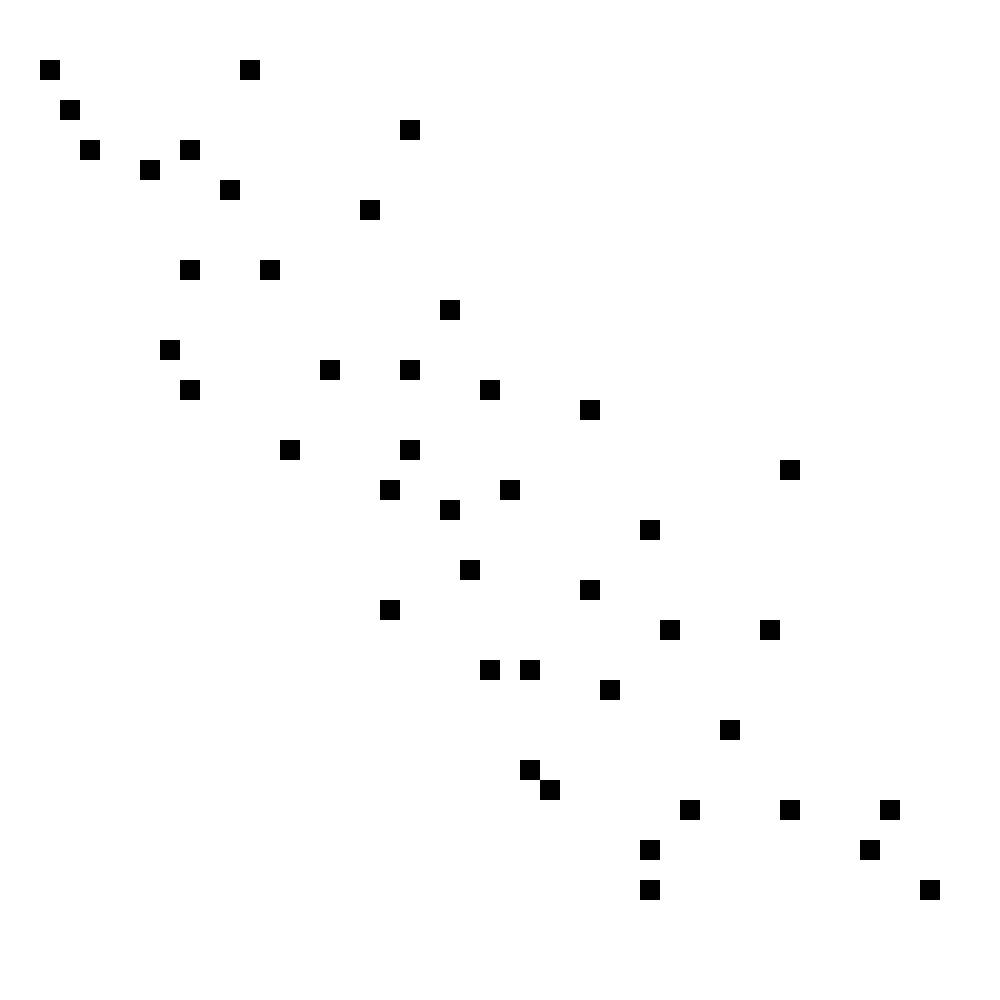
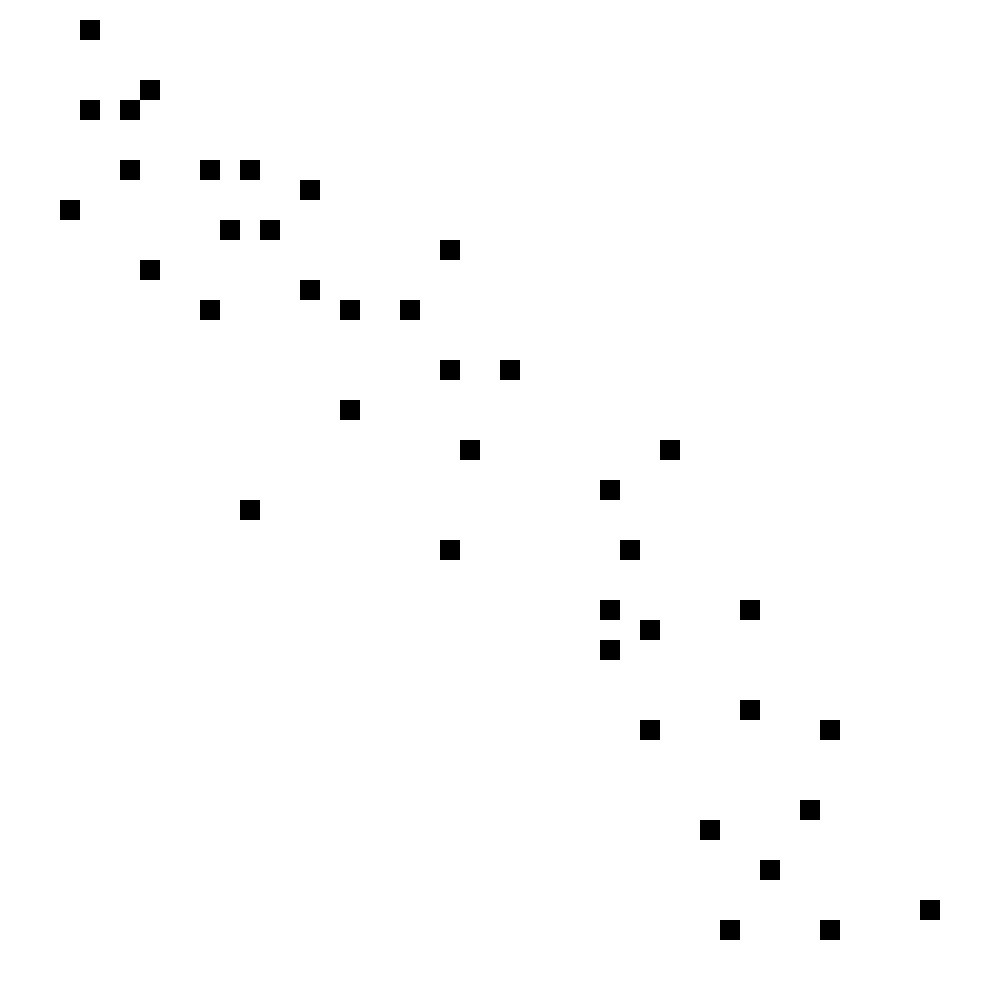
All examples in this Bongard Problem are scatter plots. Each dot represents a data point.
"Positive correlation" means that when the X value increases, the Y value tends to increase as well (in the long run), while "negative correlation" means that when the X value increases, the Y value tends to decrease. |
|
|
CROSSREFS
|
Adjacent-numbered pages:
BP1266 BP1267 BP1268 BP1269 BP1270 * BP1272 BP1273 BP1274 BP1275 BP1276
|
|
|
EXAMPLE
|
Example TM4854 does not fit on either side because when the X value increases, the Y value stays the same.
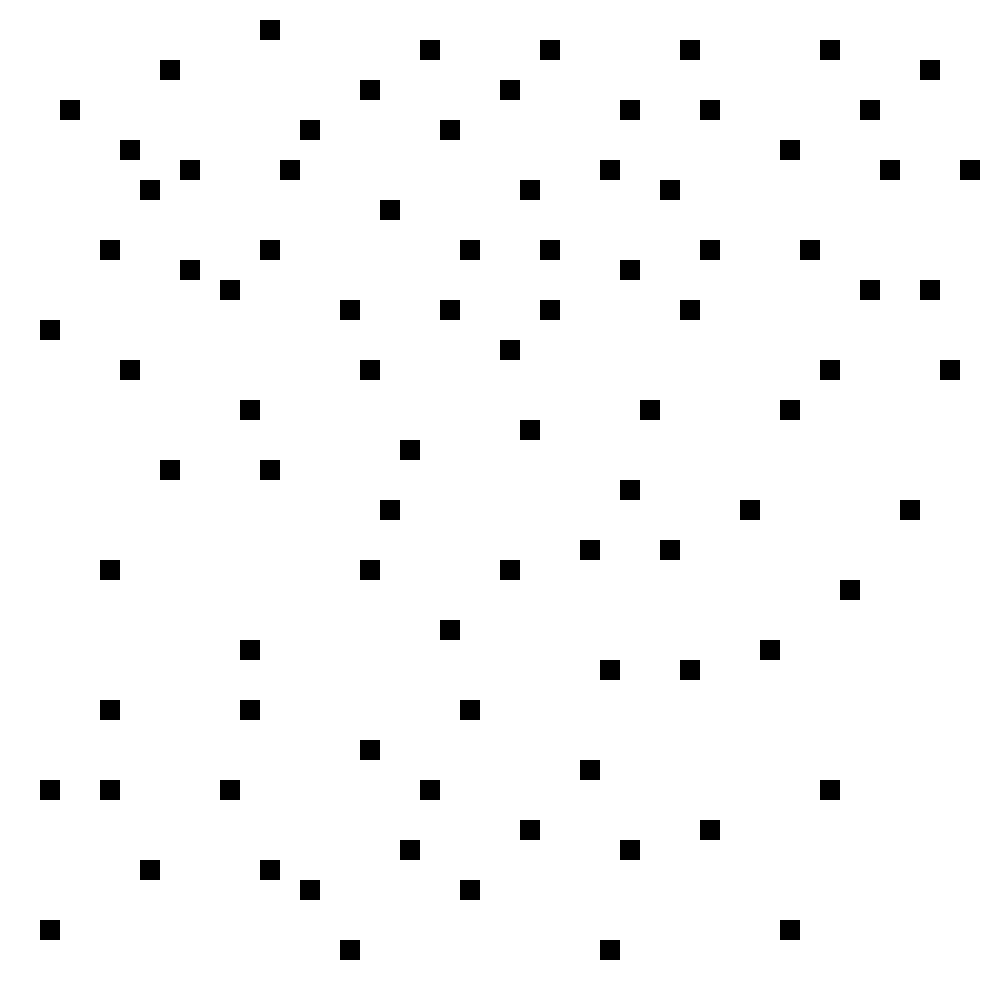
Example TM4855 does not fit on either side because there is no correlation. |
|
|
KEYWORD
|
fuzzy, minimal, unwordable, teach, spectrum, dual, handed, leftright, updown, rotate, stable, hardsort, left-narrow, right-narrow
|
|
|
AUTHOR
|
Ben
|
| |
|
|
Welcome |
Solve |
Browse |
Lookup |
Recent |
Links |
Register |
Contact
Contribute |
Keywords |
Concepts |
Worlds |
Ambiguities |
Transformations |
Invalid Problems |
Style Guide |
Goals |
Glossary
|
|
|
|
|
|
|
|
|
|